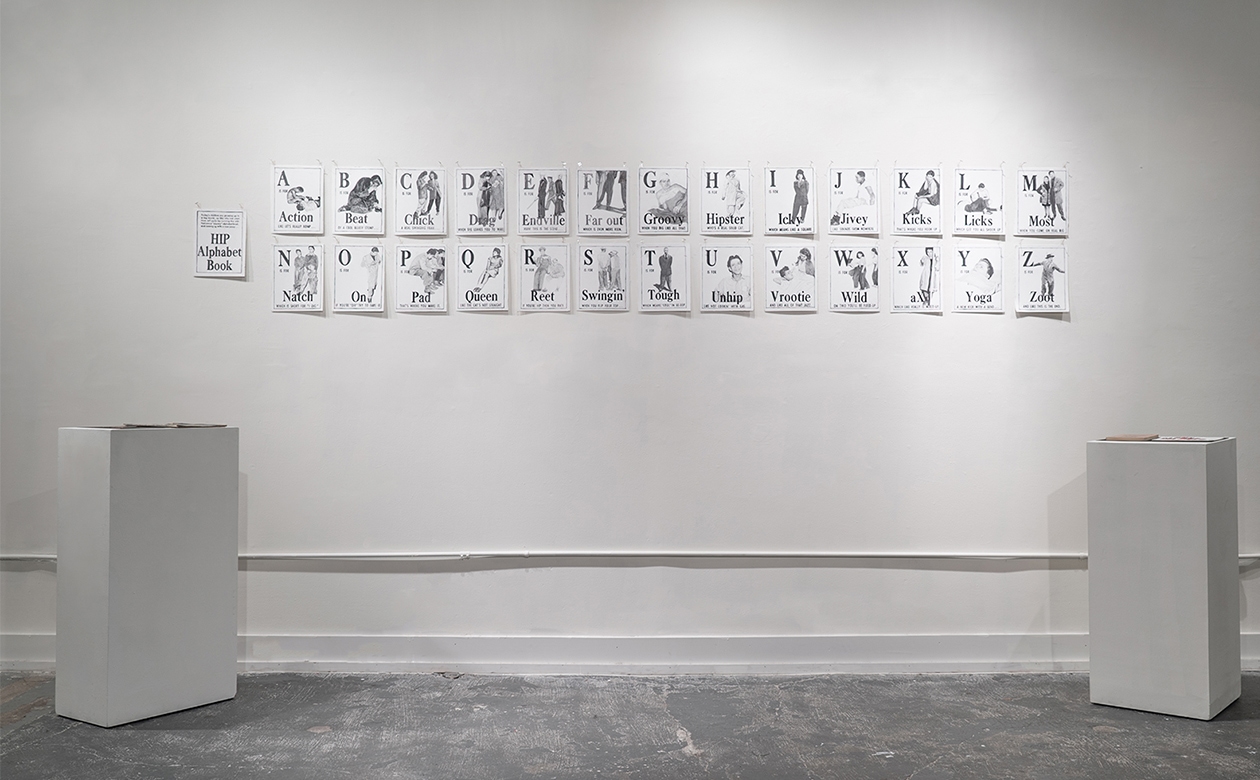
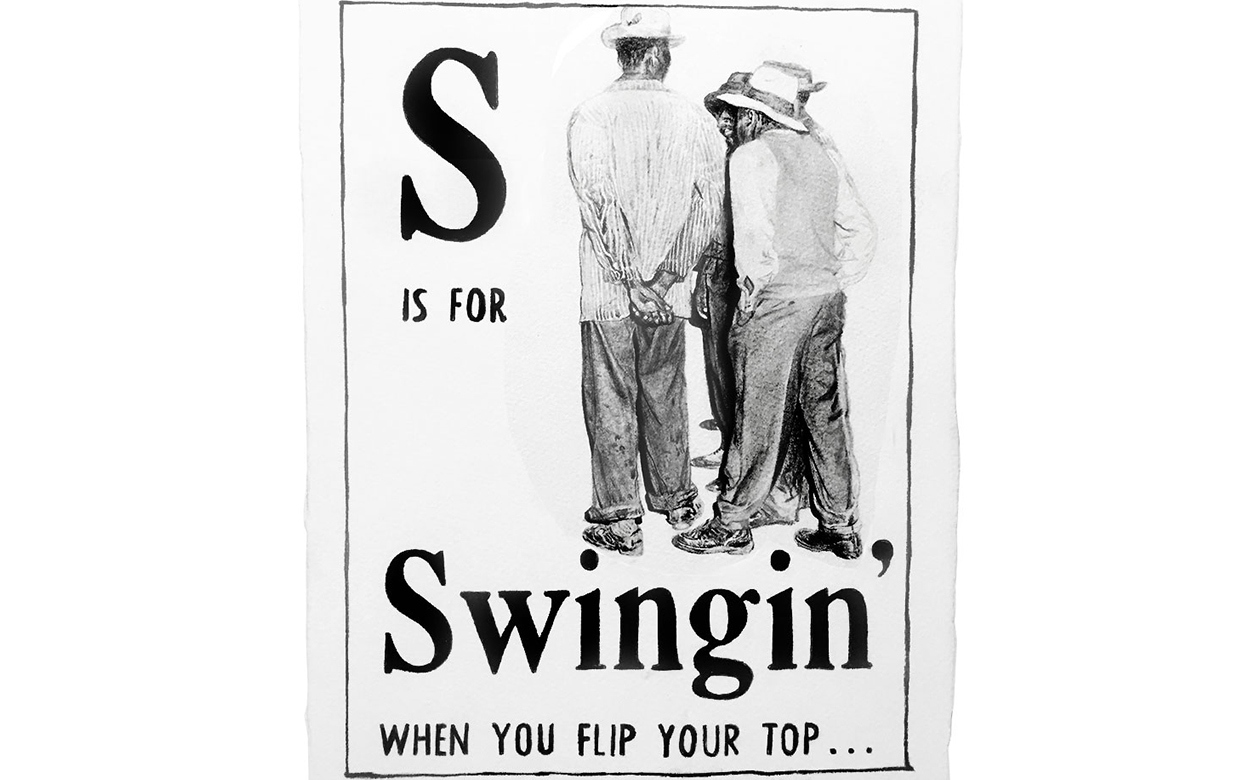
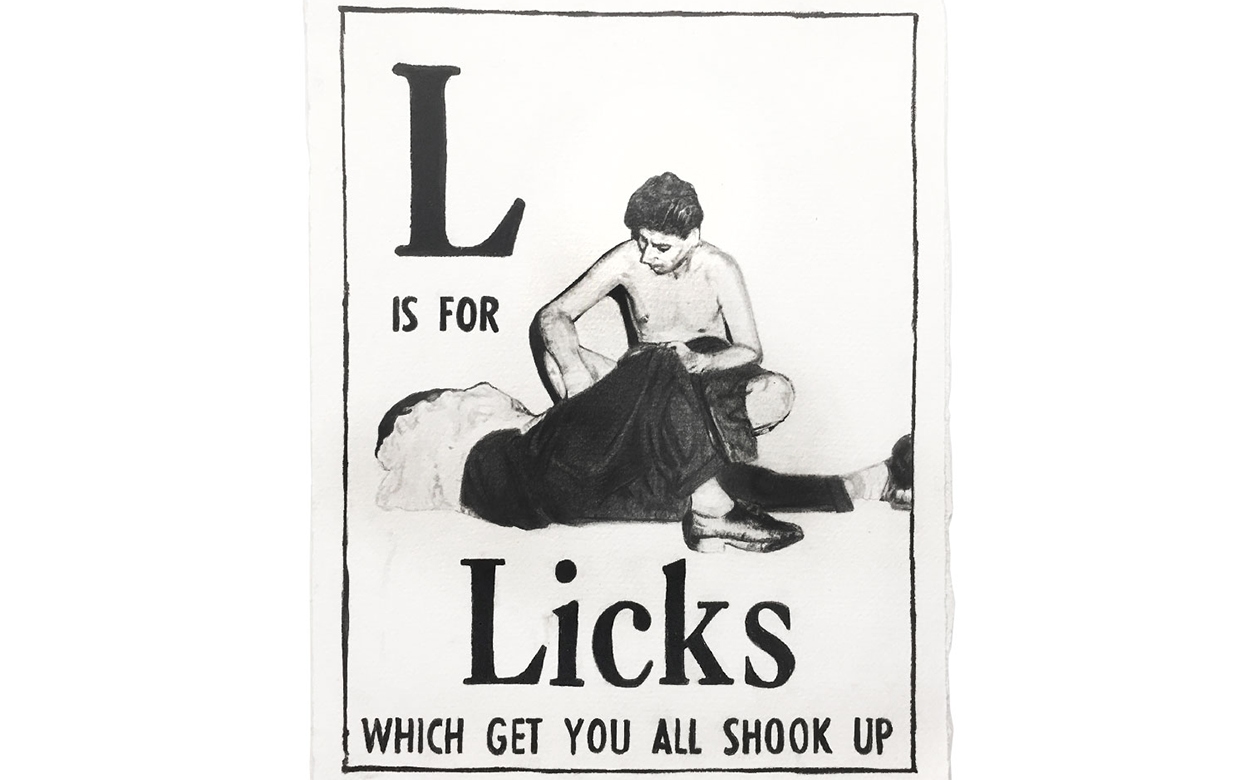
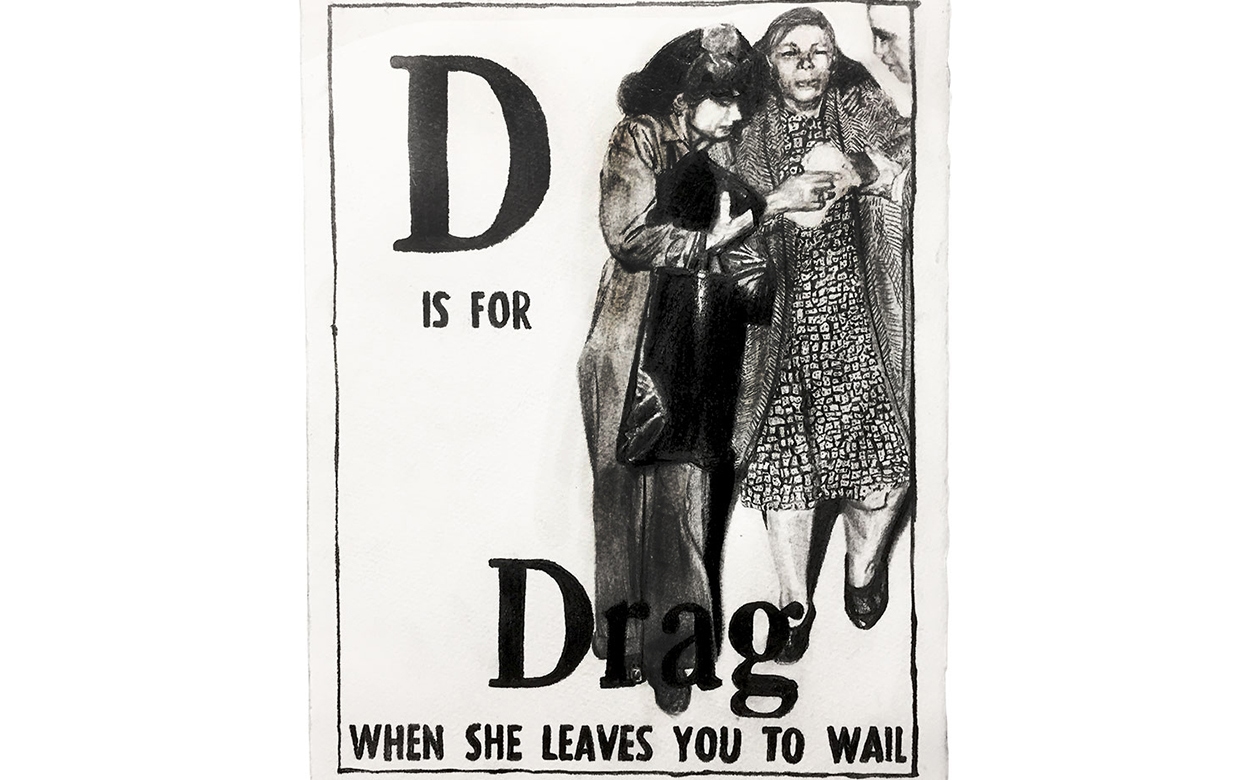
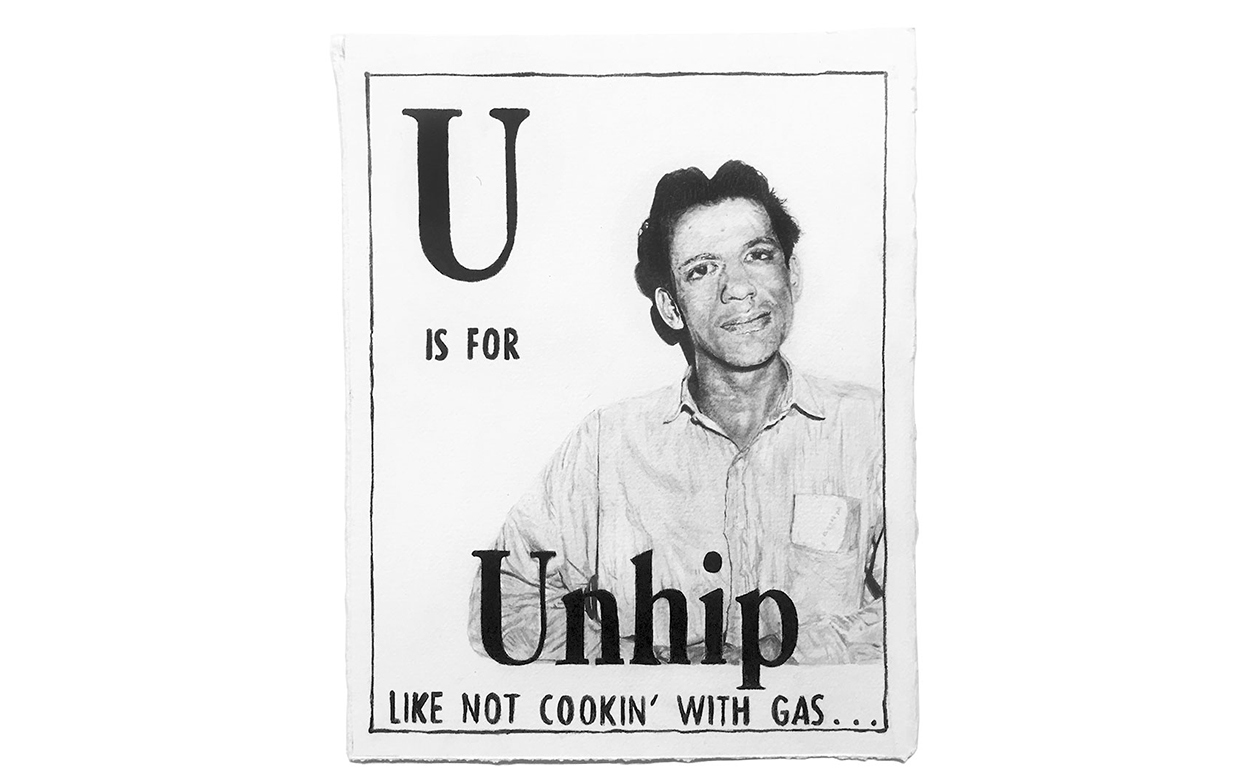
A Hip Alphabet traces how Black, Pachuco, Chicano, and Caló vernacular circulated through the musical cultures of the 1940s and 1950s and
were later absorbed into popular consumption. The project begins with a cartoon layout from the 1958 humor magazine Cracked (issue #13), whose playful
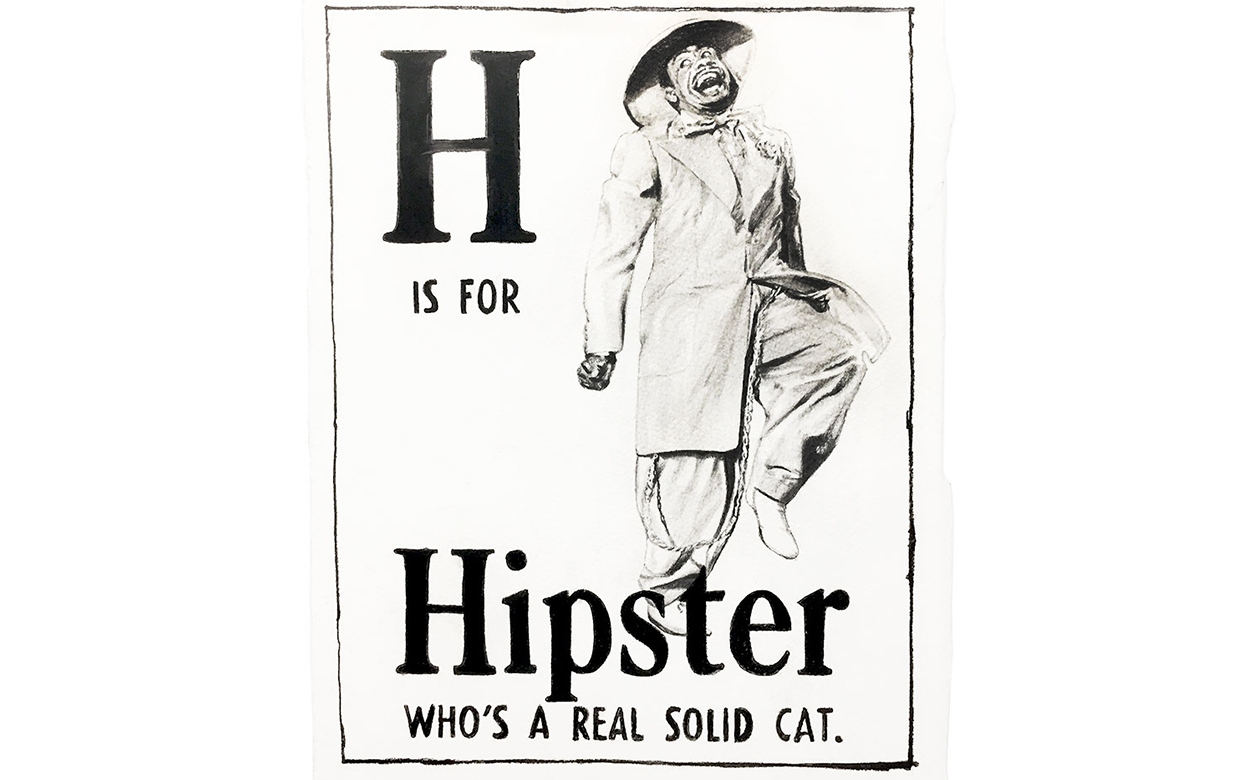
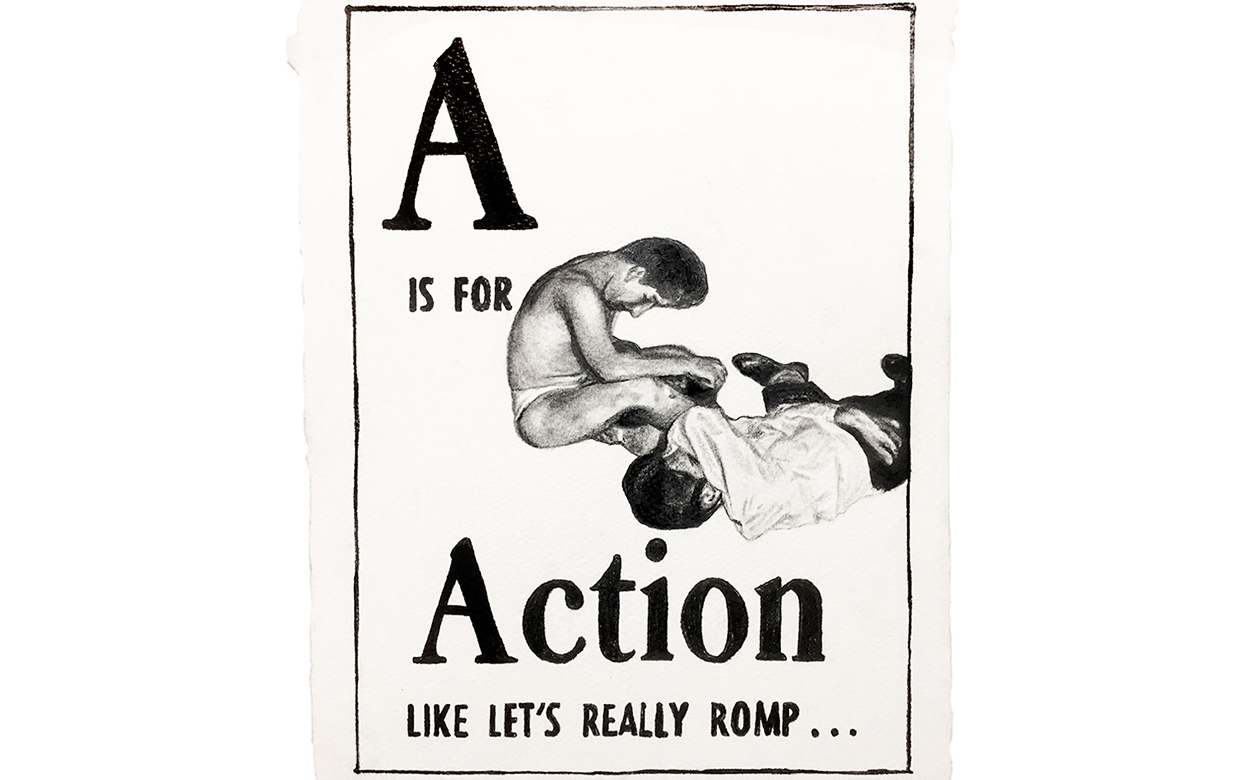
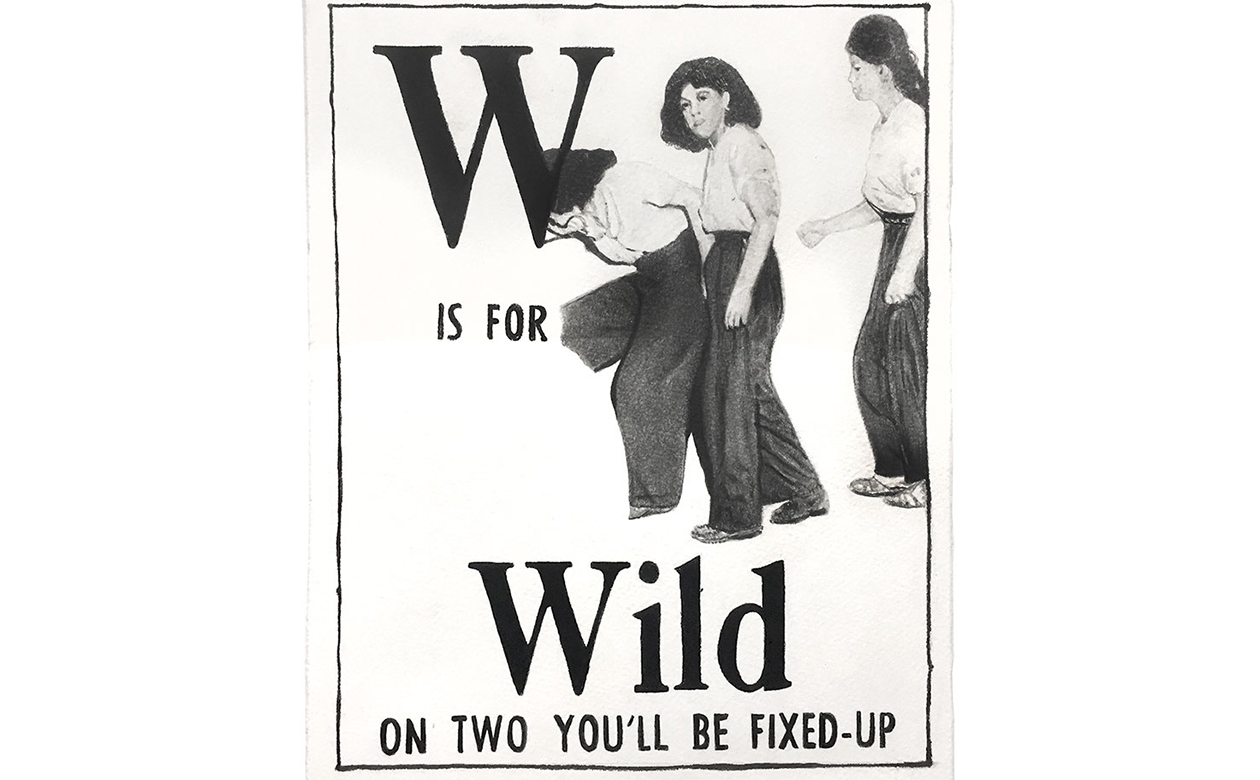
catalog of "hip" language becomes the structural armature for a series of graphite drawings.
The drawings recombine the magazine's typography with hand-rendered portraits drawn from archival research. Figures and events that shaped the cultural
terrain of the era appear throughout the series: a young Malcolm X (then Malcolm Little), a young Cesar Chavez, Germán Valdés (aka Tin-Tan), Cab Calloway,
the Zoot Suit Riots, the Sleepy Lagoon murder case, and imagery drawn from photographs by Gordon Parks.
By placing these figures within the visual grammar of a humor magazine, the work exposes how subcultural language circulates through mass media while
the violence surrounding its origin is displaced. Terms once policed as criminal or deviant reappear as entertainment, slang columns, and eventually
everyday speech. What remains visible is the language. What disappears is the history that produced it.
The installation includes a selection from the artist's personal archive of hip, jive, Pachuco, and Caló dictionaries. Among them is Cab Calloway's
Hepster's Dictionary: A Guide to the Language of Jive — one of the earliest slang dictionaries published by an African American author and the
conceptual point of departure for the project. Additional materials include Barrio Language Dictionary: First Dictionary of Caló (1974)
by Dagoberto Fuentes and José A. López and Lowrider: Dictionary of Pachuco Slang by Mr. Cantu.
More Info:
Date: 2019
Medium: Drawing | Archive | Music
Graphite on paper 27 - 8.5" x 10", hip, jive, pachuco, cálo language dictionaries